FREE SHIPPING TO U.S. AND PUERTO RICO FOR ALL ORDERS $100 AND OVER!
We are unable to accept returns on any products or test kits. All sales are final.
FREE SHIPPING TO U.S. AND PUERTO RICO FOR ALL ORDERS $100 AND OVER!
We are unable to accept returns on any products or test kits. All sales are final.
FREE SHIPPING TO U.S. AND PUERTO RICO FOR ALL ORDERS $100 AND OVER!
We do not currently ship internationally.
Serotonin is a neurotransmitter that is synthesized, stored, and released by specific neurons in the brain. Natural Serotonin is involved in the regulation of several processes within the brain, including depression, mood, emotions, aggression, sleep, appetite, anxiety, memory and perceptions. Serotonin regulates these processes through pathways that innervate (connect to) different brain regions. Most cells in the brain, over 40 million, are either directly or indirectly affected by serotonin levels, as well as muscles and parts of the cardiovascular and endocrine systems. Because of this far-reaching influence, low serotonin levels are often attributed to anxiety, panic attacks, obesity, insomnia and fibromyalgia.
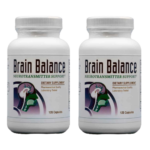
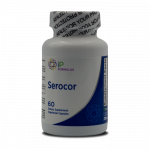
Find out more about Serotonin Supplements we have available!
The function of serotonin depends on the region of the brain into which it is released. It also depends on the type of serotonin receptor present in that region. For example, the serotonin neurons in the neocortex in the front of the brain (frontal cortex) regulate cognition, memory and perceptions. The serotonin neurons in the hippocampus regulate memory and mood. The serotonin neurons in other limbic areas, such as the amygdala, also regulate mood.
The neuroanatomy picture shows the connection between two neurons (the “synapse”). Natural serotonin is stored in small vesicles within the nerve terminal of a neuron. Electrical impulses (arising in the Raphé nucleus, for example) traveling down the axon toward the terminal cause the release of serotonin from small vesicles into the synaptic space. Once in the synaptic space, the serotonin binds to special proteins, called serotonin receptors, on the membrane of a neighboring neuron (this is usually at a dendrite or cell body). When serotonin binds to serotonin receptors (there are actually at least 14 types of serotonin receptors), it causes a change in the electrical properties of the receiving neuron that generally results in a decrease in its firing rate.
Serotonin is synthesized in the brain and body from tryptophan, an amino acid. Tryptophan converts into 5- hydroxytryptophan then into serotonin (5-hydroxytryptamine), if all of the co-factors are present. A shortage of tryptophan is believed to be a major culprit leading to depression. High levels of tryptophan in the brain directly influence increased serotonin production and new brain cell production begins to rise.
Find out more about the Neurotransmitter Tests available to check your Serotonin levels!
Low serotonin levels are often attributed to anxiety, depression, panic attacks, insomnia, obesity, fibromyalgia, eating disorders, chronic pain, migraines and alcohol abuse.
Negative thoughts, low self-esteem, obsessive thoughts and behaviors, PMS, and Irritable Bowel Syndrome are also symptoms of low serotonin.
Testing for low serotonin levels is available and helpful in determining an appropriate treatment. Neurotransmitter tests can now provide precise information on deficiencies or overloads in key neurotransmitters such as dopamine, norepinephrine, and serotonin. A serotonin test can measure serotonin levels to determine if a serotonin imbalance is present.
Find out more about Neurotransmitter testing that can determine your natural serotonin levels.
Once your natural serotonin levels are low enough to cause symptoms, it is very difficult to significantly raise serotonin levels enough by food alone. SSRI’s, or selective serotonin reuptake inhibitors, and SNRIs, serotonin and norepinephrine reuptake inhibitors, do not actually increase the amount of serotonin molecules in the brain. SSRI’s are thought to block the reabsorption (reuptake) of serotonin by certain nerve cells in the brain. This theoretically leaves more serotonin available in the brain. However, if you have low serotonin to begin with, these medications either will not work well, or work for a while then “poop out”.
Natural serotonin supplements are likely to be the most effective means to raise serotonin levels in the brain while being safe and without the side effects of anti depression medications. Derived from seeds of Griffonia simpicifolia, a native African plant, 5-HTP (5-hydroxy tryptophan) is a safe dietary supplement that introduces higher levels of tryptophan into the blood stream, which then enter the central nervous system and facilitate the needed synthesis of serotonin.