FREE SHIPPING TO U.S. AND PUERTO RICO FOR ALL ORDERS $100 AND OVER!
We are unable to accept returns on any products or test kits. All sales are final.
FREE SHIPPING TO U.S. AND PUERTO RICO FOR ALL ORDERS $100 AND OVER!
We are unable to accept returns on any products or test kits. All sales are final.
FREE SHIPPING TO U.S. AND PUERTO RICO FOR ALL ORDERS $100 AND OVER!
We do not currently ship internationally.

Integrative psychiatry is a whole-person approach to mental health that combines conventional psychiatric care (diagnosis, psychotherapy, and medication when it’s needed) with evidence-informed nutrition, lifestyle medicine, targeted lab testing, and supplements. The main difference from regular psychiatry is what each approach asks: conventional care focuses mostly on reducing symptoms, while integrative psychiatry also looks for what’s driving them, such as inflammation, gut health, hormones, poor sleep, and chronic stress. This isn’t “alternative” psychiatry, and medication remains an option.
Title: Combining mainstream and alternative medicine for a more holistic approach to health
The word “integrative” has a specific meaning in medicine. The U.S. National Center for Complementary and Integrative Health (NCCIH), part of the National Institutes of Health, draws a clear line between three terms:
Integrative psychiatry applies that model to mental health. A psychiatrist trained in conventional medicine still makes the diagnosis, still screens for safety, and still prescribes when medication is the right tool. What changes is the scope of the evaluation and the size of the toolkit.
At our practice, that means combining conventional medicine and evidence-based pharmaceutical treatment with mind-body medicine, nutritional counseling, and preventive care, with the goal of identifying and treating the underlying causes of symptoms like depression, anxiety, brain fog, fatigue, insomnia, and burnout.
Conventional psychiatry is effective and often lifesaving. Integrative psychiatry builds on it rather than rejecting it. The differences are mostly about focus, time, and tools.
| Conventional psychiatry | Integrative psychiatry | |
| Main question | Which diagnosis fits, and which treatment reduces the symptoms? | Which diagnosis fits, and what is contributing to it in this person? |
| Evaluation | Psychiatric history, symptom review, mental status exam | All of that, plus diet, sleep, stress, gut health, hormones, medical history, and lifestyle |
| Lab testing | Usually limited to ruling out medical causes or monitoring medication | Targeted testing for factors like inflammation, nutrient status, hormones, and metabolic health |
| Treatment tools | Medication and psychotherapy | Medication and psychotherapy when appropriate, plus nutrition, exercise, sleep, stress-reduction, and targeted supplements |
| Medication | Often the first-line tool | One tool among several; may be used, adjusted, or avoided depending on the person |
| Patient’s role | Follows the treatment plan | Partners in building the plan, with patient preference built in |
| Goal | Symptom remission | Symptom remission plus long-term resilience and overall health |
In practice, many people come to integrative psychiatry because conventional treatment helped only partly, the side effects were hard to live with, or their bloodwork came back “normal” while they still felt unwell.
Integrative psychiatry rests on a simple idea backed by a growing body of research: the brain doesn’t work in isolation. Mood, focus, and energy are shaped by the immune system, the gut, hormones, and metabolism. This field of study is called psychoneuroimmunology (PNI), and it’s central to Dr. Dave’s work.
A few findings show why looking beyond brain chemistry matters:
None of these replace conventional treatment. They show that nutrition, movement, inflammation, and targeted supplementation are legitimate parts of psychiatric care, which is exactly what an integrative psychiatrist is trained to address.
Every practice is different, but an integrative evaluation is usually longer and broader than a standard medication check. At Integrative Psychiatry, treatment recommendations are based on four things:
From there, a plan might include medication adjustments, nutrition changes, an exercise and sleep plan, stress-reduction work, and specific supplements, with follow-up visits to measure what’s working. Visits are also available by telehealth.
To get the most out of each visit, see How to Partner with Your Mental Health Provider for tips on tracking your moods, your history, and your medications and supplements.
“The original meaning of the word doctor was teacher. I take that to heart.” — Dr. Dave Scheiderer
Integrative psychiatry can help people with a wide range of concerns, and it’s especially worth considering if you:
Because the term gets used loosely, it helps to be clear about the limits.
Look for a licensed physician (MD or DO) or psychiatric nurse practitioner who:
The core of integrative psychiatry is conventional, evidence-based psychiatric care. The added tools vary in strength of evidence: diet, exercise, and certain supplements such as EPA-rich omega-3s are supported by randomized trials and meta-analyses, while others have less research. A good practitioner is open about the difference.
No. Many patients keep their current medication and add nutrition, lifestyle, and supplement support around it. Any change to a prescription should be made gradually and under medical supervision.
They overlap. Functional medicine focuses on finding root causes and imbalances across body systems. Integrative psychiatry is a psychiatric specialty that often uses functional medicine methods while keeping conventional diagnosis and treatment, including medication, as part of care.
The terms are often used interchangeably. “Integrative” is the more precise medical term because it specifically means coordinating conventional and complementary care rather than replacing one with the other.
The same conditions conventional psychiatry treats, including depression, anxiety, ADHD, insomnia, and eating disorders, along with related problems like brain fog, fatigue, and burnout where inflammation, gut health, or hormones may play a role.
Yes. Integrative Psychiatry offers telehealth consultations.
David J. Scheiderer, MD, MBA, DFAPA, is the Director of Education at Integrative Psychiatry, Inc., and maintains a private practice in Sarasota, Florida. He is board certified by the American Board of Psychiatry and Neurology and is a Distinguished Fellow of the American Psychiatric Association. He earned his medical degree at The Ohio State University and completed his residency in Behavioral Medicine and Psychiatry at the University of Virginia, where he later served on the faculty. Recognized in both conventional psychiatry and functional medicine, he specializes in psychoneuroimmunology (PNI), the study of how stress, genetics, and early life experience affect neurotransmitters, hormones, metabolism, and immunity. He lectures nationally, including at the U.S. Psychiatric and Mental Health Congress, NAMI, and the American Psychological Association annual conference.
This article is for educational purposes and is not a substitute for individual medical advice. Talk with your prescriber before starting, stopping, or combining any medication or supplement.
References
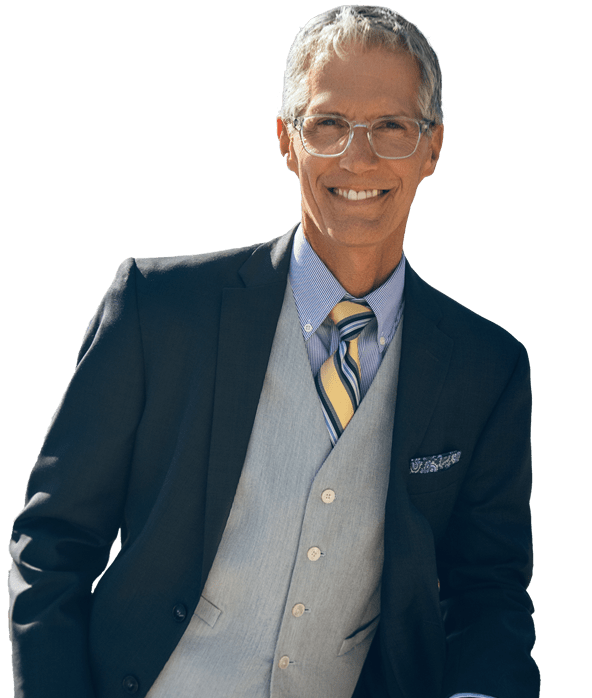
Dr. David Scheiderer MD, MBA, DFAPA, is the Chief Medical Officer and Director of Education for Integrative Psychiatry, Inc.
An accomplished clinician, educator, and lecturer, Dr. Dave has established himself as a key opinion leader in the fields of both mainstream psychiatry and functional medicine. Dissatisfied with the patient outcomes using only conventional treatments, he began treating his patients by addressing biological imbalances with lifestyle improvements, nutrition and nutraceuticals to get better outcomes. His integrative approach provided much improved results. Dr. Dave is passionate about helping the community he serves by personalizing treatments and educating the public about mental health and healthy aging. He has formulated several of our supplements and sat on the advisory board for many others, ensuring the products we carry are based on science and experience and have the best efficacy rates and highest ingredient quality available.