Description:
Effects of Obesity
Weight gain is the result of an imbalance between calories consumed and calories used. Behavior, environment, and genetics all affect this balance. Caloric balance is maintained within the body by chemical messengers known as neurotransmitters and hormones that are involved in helping the body store and break down fat to meet the body's daily energy needs. When this system fails to function, a person's appetitie is stimulated and food intake is increased even though they should feel full.
Find out out more about the effective weight loss supplements we have available!
Effects of Obesity
If you weight too much your overall health is affected. Every excess pound or inch increases your chance for serious health problems. Obesity is associated with many serious preventable diseases including heart disease, diabetes, high blood pressure, stroke, gallbladder disease, osteoarthritis, and respiratory disorders. The risk of developing these diseases is even higher when weight is concentrated near the waist. According to the National Institutes of Health, 65% of American adults are overweight and 25% are considered obese. For both men and women, the prevalence of obesity increases with age, but this problem is growing in children and adolescents—approximately 25% of American children are overweight or obese, and the numbers are rising.
Conditions that may accompany obesity include:
- High cholesterol (including high triglyceride levels)
- Diabetes
- Depression
- High blood pressure
- Sleep apnea (episodes when a person stops breathing while asleep)
- Osteoarthritis
- Gallstones
- Stress incontinence (inability to control urine; small amounts of urine are released when a person laughs, coughs, or moves abruptly)
Risks of Obesity:
- Type 2 Diabetes
- High blood pressure
- Coronary artery disease
- High cholesterol
- High levels of triglycerides (fat) in the blood
- Heart failure
- Respiratory problems (such as sleep apnea)
- Circulatory problems (such as varicose veins)
- Gallblader disease
- Breast cancer (after menopause) and endometrial cancer
- Prostate cancer
- Colorectal cancer
- Arthritis
- Skin problems (such as warts)
- Causes of Obesity
What causes someone to become overweight or obese?
An unhealthy diet and physical inactivity are contributing factors to becoming overweight or obese. Overweight and obesity are problems that continue to get worse in the United States. Bigger portion sizes, little time to exercise or cook healthy meals, and relying on cars to get around are just a few reasons for this increase.
- Behavioral
- Environmental
- Cultural and Socioeconomic Conditions
- Genetic Factors
- Endocrine, Hypothalamus, and Neurotransmitter Imbalance
- Lack of Exercise
- Metabolic
- Overeating
Supplements The following supplements have been suggested as treatments along with exercise and reducing caloric intake.
Find out out more about the effective weight loss supplements we have available!
5-Hydroxytryptophan (5-HTP)
5-HTP, a supplement made from the seeds of the African plant Griffonia simplicifolia, may help reduce binge eating associated with obesity and dieting. 5-HTP is thought to reduce hunger cravings by boosting Serotonin levels in the central nervous system. (Serotonin levels drop during dieting, often causing carbohydrate cravings and possible binge eating.) People who are taking antidepressant medications (SSRIs or MAOIs) must avoid 5-HTP.
Appe-Curb is nutritional support for Overeating Disorders, Carbohydrate, Binging, and Cravings. Appe-Curb contains neurotransmitter precursors and converting nutrients to: Satisfy the reward cascade of the brain, Reduce carbohydrate/calorie cravings, Uplift Mood, Increase Energy.
L-Carnitine is a naturally occurring amino acid required for the oxidation and transport of fatty acids. Found mostly in the heart, skeletal muscle and brain, L-Carnitine is synthesized in the body, primarily liver and kidney's, from essential amino acids obtained through the diet. Population studies have shown that vegetarians are commonly unable to meet optimal carnitine needs. Improved lipid transport, may in turn, facilitate weight management, increase exercise performance and balance cholesterol levels*. L-Carnitine supplementation has also been claimed to decrease muscle fatigue by preserving muscle glycogen through the preferential use of fat as energy. Theoretically, L-Carnitine could produce great results for decreasing weight and increasing exercise performance*.
Calcium Both animal and human studies have found that dietary calcium intake (from low-fat dairy products) may be associated with a decrease in body weight. For example, in a study of overweight women, daily intake of 1000 mg of calcium was associated with a loss of 8 kilograms (17.6 pounds) in weight, and 5 kilogram (11 pound) in body fat.
Fiber Preliminary evidence suggests that dietary fiber may help lower insulin levels (insulin controls the amount of sugar in the blood). In addition, one study of nearly 3,000 young adults suggests that high levels of insulin in the bloodstream (associated with low-fiber diets) may contribute to excessive weight gain for several reasons, including increased appetite.
Vitamin C Studies suggest that obese individuals may have lower vitamin C levels than nonobese individuals. Researchers speculate that insufficient amounts of vitamin C may contribute to weight gain by decreasing metabolic rates and energy expenditures.
Fish Oil Studies suggest that eating fish rich in omega-3 fatty acids (such as salmon, mackerel, and herring) seems to improve glucose-insulin metabolism and cholesterol levels in obese people both with and without high blood pressure. These effects were most pronounced when daily servings of fatty fish were incorporated into a weight-loss program that included physical activity and a low-fat diet. These studies also suggest that people who follow a weight loss program achieve better control over their blood sugar and cholesterol levels when fish is a staple in the diet. Fatty, coldwater fish should be consumed at least two to three times per week to obtain adequate amounts of omega-3 fatty acids.
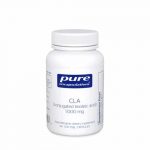
Conjugated Linoleic acid (CLA) Preliminary human and animal studies suggest that CLA can help control weight in obese individuals by reducing body fat and enhancing lean body mass.
Zinc Studies have revealed that zinc may increase lean body mass and decrease or keep fat mass stable. The reason for this may be that zinc increases levels of leptin, a molecule that stimulates energy expenditure and decreases appetite
Chitosan Derived from the shells of crustaceans, chitosan is promoted as a remedy for obesity in the United States and other countries.
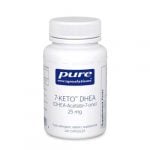
7-KETO Dehydroepiandrosterone (DHEA) Animal studies have found 7-KETO DHEA to be effective in reducing body weight. It is several times more potent that DHEA, and does not convert to testosterone, or estrogen. It promotes basal metabolism, safely supports a leaner body mass, and healthy weight control.
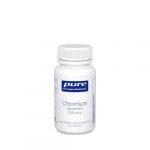
Chromium Studies suggest that chromium may regulate lean body mass and reduce body fat, its effects are small compared to those of exercise and a well-balanced diet. Chromium does appear to improve blood sugar (also a risk factor for heart disease), particularly in those with diabetes and glucose intolerance.
EndoTrim™ is a comprehensive endocrine balancing formula designed to promote optimal insulin, leptin and cortisol balance. This formula is for anyone wishing to improve body composition. EndoTrim™ contains the non-stimulating American ginseng for costisol balance. Banaba, chromium and vanadium are included to enhance glucose control and insulin performance. ForsLean™ (Coleus forskohli), Garcinia cambogia, and green tea extract promote lean body mass through ergogenic activity.
Vitamin D Studies suggest that obese people tend to have lower levels of vitamin D than people who are not obese, and that supplementation may correct that deficiency.
Most practitioners use the following BMI ranges as indications that a person is overweight or obese:
- BMI 25 to 29.9 (overweight)
- BMI 30 to 39.9 (moderately obese)
- BMI 40 or above (extremely obese)
Calculating your Body Mass Index
To use the table, find the appropriate height in the left-hand column labeled Height. Move across to a given weight (in pounds). The number at the top of the column is the BMI at that height and weight. Pounds have been rounded off.
|
19 |
20 |
21 |
22 |
23 |
24 |
25 |
26 |
27 |
28 |
29 |
30 |
31 |
32 |
33 |
34 |
35 |
Height (inches) |
Body Weight (pounds) |
| 58 |
91 |
96 |
100 |
105 |
110 |
115 |
119 |
124 |
129 |
134 |
138 |
143 |
148 |
153 |
158 |
162 |
167 |
| 59 |
94 |
99 |
104 |
109 |
114 |
119 |
124 |
128 |
133 |
138 |
143 |
148 |
153 |
158 |
163 |
168 |
173 |
| 60 |
97 |
102 |
107 |
112 |
118 |
123 |
128 |
133 |
138 |
143 |
148 |
153 |
158 |
163 |
168 |
174 |
179 |
| 61 |
100 |
106 |
111 |
116 |
122 |
127 |
132 |
137 |
143 |
148 |
153 |
158 |
164 |
169 |
174 |
180 |
185 |
| 62 |
104 |
109 |
115 |
120 |
126 |
131 |
136 |
142 |
147 |
153 |
158 |
164 |
169 |
175 |
180 |
186 |
191 |
| 63 |
107 |
113 |
118 |
124 |
130 |
135 |
141 |
146 |
152 |
158 |
163 |
169 |
175 |
180 |
186 |
191 |
197 |
| 64 |
110 |
116 |
122 |
128 |
134 |
140 |
145 |
151 |
157 |
163 |
169 |
174 |
180 |
186 |
192 |
197 |
204 |
| 65 |
114 |
120 |
126 |
132 |
138 |
144 |
150 |
156 |
162 |
168 |
174 |
180 |
186 |
192 |
198 |
204 |
210 |
| 66 |
118 |
124 |
130 |
136 |
142 |
148 |
155 |
161 |
167 |
173 |
179 |
186 |
192 |
198 |
204 |
210 |
216 |
| 67 |
121 |
127 |
134 |
140 |
146 |
153 |
159 |
166 |
172 |
178 |
185 |
191 |
198 |
204 |
211 |
217 |
223 |
| 68 |
125 |
131 |
138 |
144 |
151 |
158 |
164 |
171 |
177 |
184 |
190 |
197 |
203 |
210 |
216 |
223 |
230 |
| 69 |
128 |
135 |
142 |
149 |
155 |
162 |
169 |
176 |
182 |
189 |
196 |
203 |
209 |
216 |
223 |
230 |
236 |
| 70 |
132 |
139 |
146 |
153 |
160 |
167 |
174 |
181 |
188 |
195 |
202 |
209 |
216 |
222 |
229 |
236 |
243 |
| 71 |
136 |
143 |
150 |
157 |
165 |
172 |
179 |
186 |
193 |
200 |
208 |
215 |
222 |
229 |
236 |
243 |
250 |
| 72 |
140 |
147 |
154 |
162 |
169 |
177 |
184 |
191 |
199 |
206 |
213 |
221 |
228 |
235 |
242 |
250 |
258 |
| 73 |
144 |
151 |
159 |
166 |
174 |
182 |
189 |
197 |
204 |
212 |
219 |
227 |
235 |
242 |
250 |
257 |
265 |
| 74 |
148 |
155 |
163 |
171 |
179 |
186 |
194 |
202 |
210 |
218 |
225 |
233 |
241 |
249 |
256 |
264 |
272 |
| 75 |
152 |
160 |
168 |
176 |
184 |
192 |
200 |
208 |
216 |
224 |
232 |
240 |
248 |
256 |
264 |
272 |
279 |
| 76 |
156 |
164 |
172 |
180 |
189 |
197 |
205 |
213 |
221 |
230 |
238 |
246 |
254 |
263 |
271 |
279 |
287 |
A high waist to hip ratio (indicating that fat is centered around the waist—also known as central obesity) increases the risk for developing serious, even life-threatening conditions associated with obesity. Physicians consider a very high waist circumference to be greater than 102 cm for men and greater than 88 cm for women.
Obesity Treatment
If you have reduced your calorie intake, modified your lifestyle, and exercise regularly but still struggle with your weight you should consider Testing for a neurotransmitter or metabolic imbalance that could be preventing you from losing weight. A Telephone Consultation or E-Health Visits with our office can help determine which testing and products are is right for you. We use many specialized weight loss formulas not mentioned on this site but are available through the office. Our weight loss program and appetite program can enhance the way your brain communicates with your body, especially your feelings of hunger, to help control your appetite, and reduce your risk of serious health problems from obesity. Contact Us for further information.
Find out out more about the effective weight loss supplements we have available!
Lifestyle Changes
Increased physical activity and a diet that is limited in calories are the most important components of a weight loss program. Both components are also crucial to maintenance once the weight has been lost. The key to losing and keeping off weight is to set realistic weight loss goals that are achievable through eating in moderation, appropriate food selection, and consistent physical activity.
Increasing physical activity may help a person lose weight, primarily in the first 6 months, as well as maintain a desirable weight in the long-term. Exercise not only contributes to weight loss, it also decreases abdominal fat and increases cardiorespiratory fitness, which can reduce complications associated with overweight and obesity such as high blood pressure, diabetes, and heart disease.
It is important for people who are not used to exercising to begin with a gentle regimen that increases in intensity over time. The long-term goal is to participate in a moderately intense exercise routine for at least 30 minutes, 5 to 7 days a week. Ideally, an exercise program should combine aerobic activity such as walking, running, or swimming with a program of strength training, such as lifting light weights.
In addition to diet and exercise programs, social support from friends and family and practicing stress-reduction techniques (such as progressive muscle relaxation and meditation) may prevent overeating. It is also important to obtain appropriate professional guidance for any dietary and exercise regimen (especially early on) as it will ensure that weight is lost safely and in a controlled manner.
Obesity Diet Recommendations
Follow these tips on healthy eating.
- Focus on fruits. Eat a variety of fruits – whether fresh, frozen, canned, or dried – rather than fruit juice for most of your fruit choices. For a 2,000-calorie diet, you will need 2 cups of fruit each day – like 1 small banana, 1 large orange, and 1/4 cup of dried apricots or peaches.
- Vary your veggies. Eat more dark green veggies, such as broccoli, kale, and other dark leafy greens; orange veggies, such as carrots, sweet potatoes, pumpkin, and winter squash; and beans and peas, such as pinto beans, kidney beans, black beans, garbanzo beans, split peas, and lentils.
- Get your calcium-rich foods. Get 3 cups of low-fat or fat-free milk – or an equivalent amount of low-fat yogurt and/or low-fat cheese (11/2 ounces of cheese equals 1 cup of milk) – every day. If you don't or can't consume milk, choose lactose-free milk products and/or calcium-fortified foods and drinks.
- Make half your grains whole. Eat at least 3 ounces of whole-grain cereals, breads, crackers, rice, or pasta every day. One ounce is about 1 slice of bread, 1 cup of breakfast cereal, or 1/2 cup of cooked rice or pasta. Look to see that grains such as wheat, rice, oats, or corn are referred to as "whole" in the list of ingredients.
- Go lean with protein. Choose lean meats and poultry. Bake it, broil it, or grill it. Vary your protein choices with more fish, beans, peas, nuts, and seeds.
- Limit saturated fats. Get less than 10 percent of calories from saturated fatty acids. Most fats should come from sources of polyunsaturated and monounsaturated fatty acids, such as fish, nuts, and vegetable oils. When selecting and preparing meat, poultry, dry beans, and milk or milk products, make choices that are lean, low-fat, or fat-free.
- Limit salt. Get less than 2,300 mg of sodium (approximately 1 teaspoon of salt) each day.
Obesity and Exercise
How can physical activity help?
An active lifestyle can help everyone. You don't have to be as fit as a professional athlete to benefit from physical activity. In fact, 30 minutes of moderate physical activity on most days of the week can greatly improve your health. Most people can get greater health benefits by engaging in physical activity of more vigorous intensity or longer duration. To help manage body weight and prevent gradual, unhealthy body weight gain, get about 60 minutes of moderate- to vigorous-intensity activity on most days of the week, while not exceeding caloric intake requirements. To keep weight loss off, get at least 60 to 90 minutes of daily moderate-intensity physical activity while not exceeding caloric intake requirements. Some people may need to consult with their doctor before participating in this level of activity. Achieve physical fitness by including cardiovascular conditioning, stretching exercises for flexibility, and resistance exercises or calisthenics for muscle strength and endurance. Physical activity has these benefits:
- reduces your risk of dying from heart disease or stroke
- lowers your risk of getting heart disease, stroke, high blood pressure, colon cancer, and diabetes
- lowers high blood pressure
- helps keep your bones, muscles, and joints healthy
- reduces anxiety and depression and improves your mood
- helps you handle stress and helps control your weight
- protects against falling and bone fractures in older adults
- may help protect against breast cancer
- helps control joint swelling and pain from arthritis
- helps you feel more energetic and helps you sleep better
|